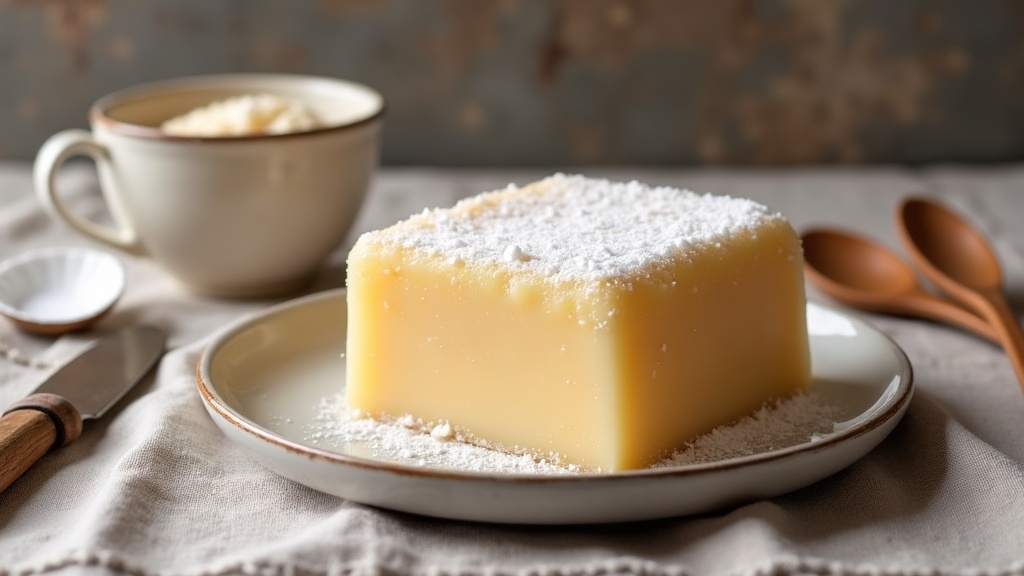
This page takes a closer look at the traditional roles of baking soda e gelatin in home kitchens — not as a cure, not as a promise, just a conversation about old habits worth understanding.
Women’s bodies shift over the years in ways that go beyond the scale. Here’s what’s actually changing.
Skin, joints, and connective tissue rely on collagen — and its production slows with time. Ingredients like gelatin have long been part of traditional diets for this reason.
The signals that tell you 'I'm full' can shift over time, making some traditional meals feel less satisfying than they used to.
Maintaining lean body mass becomes a bigger part of the wellness conversation, separate from weight alone.
One-size-fits-all diet plans often ignore how baking soda e gelatin were once used in everyday home cooking, long before modern trends existed.
Metabolism talk is full of noise. Here’s a grounded look at three common ideas.
Metabolism is the only thing that matters for how your body changes.
Sleep, stress, muscle mass, and everyday habits all play a role too.
Cutting calories drastically is the fastest path to change.
Sustainable habits, not extreme restriction, are what most nutrition educators emphasize.
Traditional ingredients like gelatin are outdated and useless.
Many traditional kitchens used gelatin and baking soda for texture, digestion comfort, and simple food prep for generations.
No extremes. No shortcuts. Just a framework worth considering.
Pay attention to how your body feels — energy, digestion, skin, joints — before changing anything at all.
Understand where ingredients like baking soda e gelatin fit into traditional cooking and why they were used in the first place.
Make small, sustainable changes to your kitchen habits rather than chasing quick fixes or fads.
Long before modern supplements existed, home cooks reached for pantry staples. Baking soda softened tough cuts of meat and helped bread rise without fuss. Gelatin, made by simmering bones and connective tissue for hours, turned humble scraps into rich broths and jellies. Grandmothers didn’t call it ‘wellness’ — they called it dinner. But the collagen-rich stock they made by hand carries the same idea behind many of today’s conversations about skin, joints, and protein.
Insight: Traditional kitchens often treated what we now separate into ‘ingredients’ and ‘supplements’ as one and the same thing.
Feeling hungry soon after eating can be worth mentioning at your next check-up.
Skin that feels less resilient than before may relate to several factors, including collagen levels.
Stiffness after sitting or first thing in the morning is common but still worth discussing with a professional.
Unexplained changes in weight deserve a conversation with your doctor, not guesswork.
Persistent fatigue can have many causes and should be checked out rather than ignored.
Nails that chip or break easily are sometimes mentioned alongside collagen-related discussions.
Testimonials reflect individual experiences and opinions. They are not a guarantee of any outcome. Individual results may vary.
Hydrolyzed gelatin is gelatin that has been broken down into smaller pieces. It’s often used in cooking and traditional recipes for its texture and protein content.
Yes. Baking soda has long been used in home kitchens for baking, tenderizing meat, and other everyday cooking tasks.
This page shares educational content about traditional ingredients and wellness habits.
No. Nothing on this page is medical advice. Always consult a healthcare professional for guidance specific to you.
Collagen comes up often in conversations about skin, joints, and aging, so it’s a topic worth understanding better.
No. This content is intended for women in general who are curious about traditional wellness habits.
You can continue exploring through the button on this page for additional information.
Take the next step and explore the full picture behind these traditional kitchen habits.
Advertising Disclosure: This is sponsored content and may contain affiliate links. We may receive compensation if you click a link or make a purchase through the links provided on this page. This helps support our content at no additional cost to you.
Content Disclaimer: This content is for educational and informational purposes only. It has not been evaluated by the FDA. This information is not intended to diagnose, treat, cure, or prevent any disease. Always consult a qualified healthcare professional before making changes to your diet, exercise, or wellness routine.
Results Disclaimer: Individual results may vary. Testimonials shared on this page reflect personal experiences and opinions and are not a guarantee of any specific outcome.
© 2026 casinhadecilioslapawork.com · All Rights Reserved · Contact: /contact/